Future of Steel Wire: New Grades and Sustainability Trends
Steel wire trends are reshaping procurement. Buyers must plan for higher-strength grades, recycled content mandates, and tighter tolerances. This guide outlines six practical market shifts and preparation steps for 2026.
- Prioritize mill certificates that verify recycled content and carbon footprint metrics.
- Shift from standard carbon steel to high-strength and heat-treated grades where load allows.
- Standardize on fewer, higher-performance wire grades to reduce inventory complexity.
- Verify mechanical test data and dimensional tolerances for high-strength products.
- Build supplier relationships focused on traceability and low-carbon production.
What Is Driving Steel Wire Market Changes
Steel wire procurement in 2026 looks different from the last five years. Buyers face stricter environmental requirements and tighter supply chain controls. The material mix is shifting toward higher strength and lower carbon content.
These changes affect every project type. Structural steel, wire mesh, reinforcement, and specialty wire all experience the same market pressures. The core question for buyers is how to adapt specifications without sacrificing performance or cost predictability.
This guide identifies six shifts you should plan for. It covers grade development, sustainability requirements, and practical steps for preparation.
Shift 1: Higher-Strength Grades Become the Default
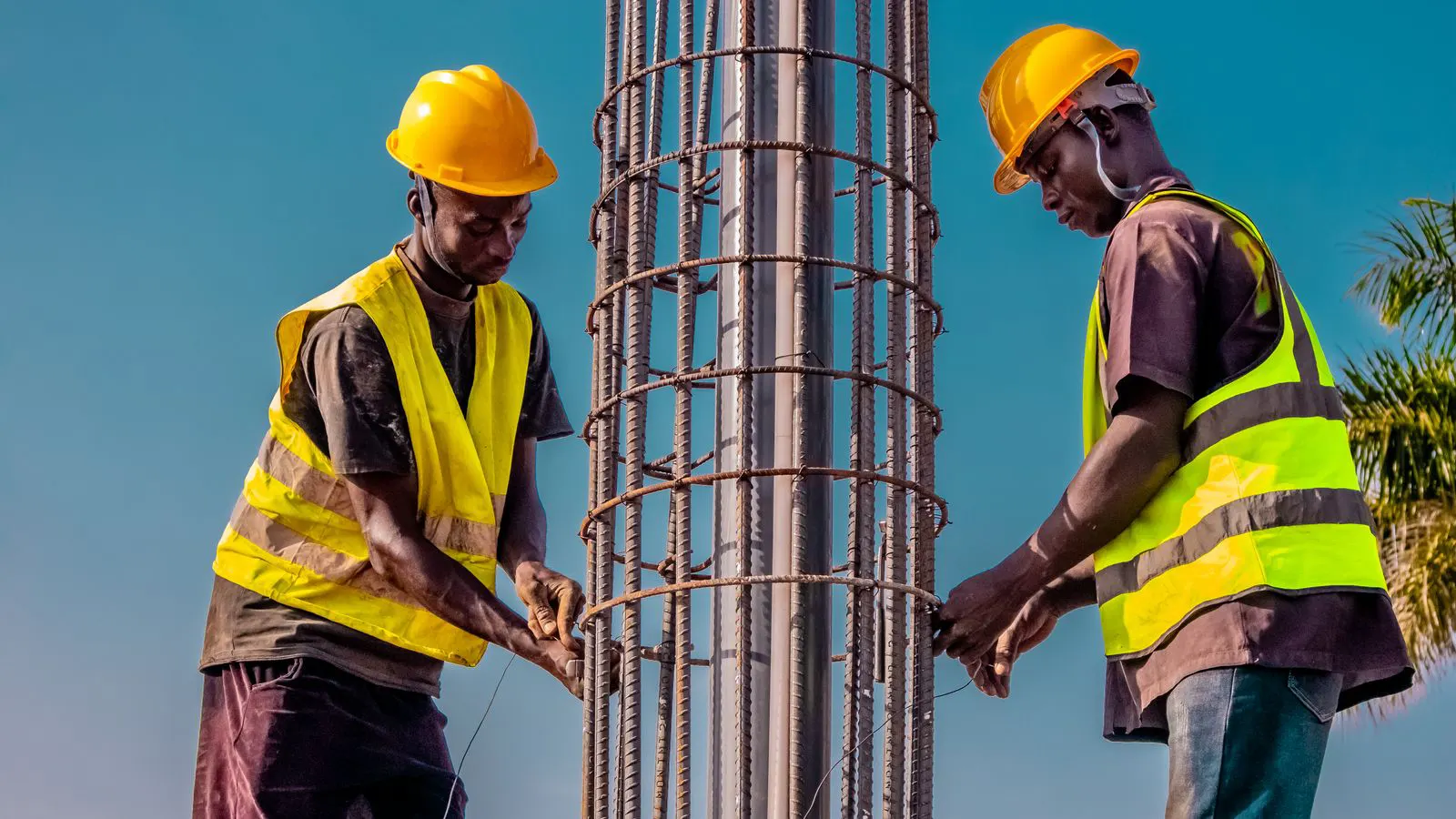
The industry is moving away from standard carbon steel for reinforcement. High-strength rebar and wire now appear in standard project specifications. This shift reduces the amount of steel required for a given load.
Higher-strength grades offer distinct advantages. They reduce steel tonnage, which lowers transportation costs. They also reduce formwork height in some structural applications. However, these grades demand stricter fabrication controls.
When specifying high-strength wire, verify the yield strength rating. Standard grades typically provide a baseline yield of 400 MPa. High-strength grades exceed this range and often require special welding procedures. Check your project engineer’s requirements for weldability. High-strength products may require preheating or specific filler metal types.
A common mistake is selecting a high-strength grade without verifying the bending radius requirements. Higher strength often means lower ductility. The wire may crack during bending if the radius is too tight. Always confirm the minimum bending diameter for your specific grade and application.
Shift 2: Recycled Content and Carbon Footprint Tracking
Sustainable steel is now a baseline requirement for many commercial and infrastructure projects. Buyers must track the recycled content of their wire purchases. Many projects require proof that a certain percentage of the material comes from recycled scrap.
This is not just a reporting exercise. It affects procurement strategy. You may need to source from mills with certified low-carbon production processes. The mill certificate should clearly state the recycled content percentage and the carbon intensity of the production process.
Plan for documentation requirements. You will need mill test reports that include environmental data. Standard mechanical certificates are no longer sufficient for many projects. The certificate must show the carbon footprint per tonne of steel produced.
If your current suppliers cannot provide this data, begin qualifying new sources now. The transition takes time. Build relationships with mills that have transparent environmental reporting. Ask about their scrap sourcing and electric arc furnace usage. These factors determine the carbon intensity of the final product.
Shift 3: Specialized Coatings and Corrosion Protection
Corrosion protection is getting more sophisticated. Traditional zinc coatings remain common, but new options are emerging. Epoxy-coated wire and polymer coatings are being specified for harsher environments.
The choice of coating affects the wire’s mechanical properties. Some coatings can reduce the effective cross-sectional area. Verify the coating thickness and how it factors into the load calculation. A thin epoxy coat may not significantly reduce area, but a thick zinc layer will.
For marine and coastal applications, consider galvanized wire with additional protective layers. The coating system must be specified to match the exposure conditions. Salt spray testing data should be available from the supplier.
When inspecting coated wire, check for coating defects. Blistering, peeling, or incomplete coverage are common issues. A single defect can start a corrosion chain reaction. Reject any coil with visible coating failures that cannot be remediated.
Shift 4: Digital Traceability and Supply Chain Visibility
Every tonne of steel wire is now traceable. This is driven by both regulatory requirements and client demands. You should be able to trace the material from the mill to your job site.
Digital traceability means each coil or bundle has a unique identifier. This identifier links to the mill certificate, heat number, and production data. You can verify the grade, test results, and environmental metrics for each specific delivery.
This level of tracking requires your warehouse and inventory systems to support it. Barcoding or QR codes on each coil should be scanned at receiving. The data should feed into your project management software.
If your current systems cannot handle this level of detail, plan for upgrades. The cost of implementation is small compared to the risk of non-compliance. A project with incomplete traceability may face delays or rejection at inspection.
Shift 5: Standardization of Wire Diameter and Length
The market is moving toward standardization. Fewer, more common sizes are being produced in larger quantities. This reduces waste and improves mill efficiency.
However, standardization also means less flexibility. You may find that your preferred custom length or diameter is harder to source. The trade-off is lower cost and shorter lead times for standard products.
When designing your project, work with the available standard sizes. Avoid specifying unusual diameters or lengths unless absolutely necessary. Custom orders have longer lead times and higher per-unit costs. They also tie up inventory space.
A practical approach is to use a limited range of standard diameters for reinforcement. For example, using three or four common sizes instead of eight or ten. This simplifies purchasing, storage, and on-site handling. It also reduces the risk of ordering the wrong size.
Shift 6: Performance-Based Specifications Over Grade-Based
The industry is shifting from specifying exact mill grades to specifying performance requirements. Instead of ordering “Grade B450,” you specify the required yield strength, elongation, and ductility.
This approach gives you more flexibility. You can use any grade that meets the performance criteria. It may allow you to source from multiple mills and suppliers. It also aligns with the goal of using the most cost-effective material for the job.
However, performance-based specifications require more technical oversight. You must verify that the supplied material actually meets the required performance. The mill certificate is not enough. You may need to conduct independent testing.
Plan for this extra step. Budget for testing and inspection. This is especially important for high-strength grades where the performance margin is narrow. A small deviation in yield strength can affect the structural performance of the entire assembly.
Preparation Checklist for 2026
The table below summarizes the key preparation steps. Use it as a starting point for your 2026 procurement planning.
| Preparation Area | Key Action | Responsible Party | Timeline |
|---|---|---|---|
| Material Specification | Review project specs for high-strength and low-carbon requirements | Project Engineer | Q1 |
| Supplier Qualification | Identify mills with carbon footprint reporting and recycled content | Procurement | Q1-Q2 |
| Documentation Systems | Update receiving procedures for digital traceability | Warehouse/Logistics | Q2 |
| Technical Verification | Plan for independent testing of high-strength wire | QA/QC | Ongoing |
| Inventory Strategy | Standardize on common diameters and lengths | Project Manager | Q2 |
Practical Advice for Buyers
Start with your project specifications. Do not assume that the standard grade will be accepted. Many clients now require proof of sustainable sourcing. The specification sheet will say so.
Second, talk to your suppliers. Ask them what they can provide. Some mills have invested in low-carbon production. Others have not. The gap is widening. You want to be working with suppliers who are aligned with your sustainability goals.
Finally, verify your testing and inspection processes. The shift to higher-strength and performance-based materials requires more rigorous quality control. Your QA team needs to be prepared to handle the additional documentation and testing requirements.
The market is not waiting. Suppliers who adapt early gain an advantage. Buyers who plan ahead avoid costly delays and non-compliance. The changes are significant but manageable. Focus on the preparation steps and you will stay ahead of the curve.
The future of steel wire is defined by performance, sustainability, and traceability. These are not optional. They are the new baseline. Align your procurement strategy accordingly.
Frequently asked questions
What is the main driver behind the shift to high-strength steel wire?
The primary driver is the need to reduce steel tonnage while maintaining structural performance. This lowers material and transportation costs.
How do I verify the sustainable content of my steel wire?
Request mill certificates that include recycled content percentages and carbon footprint data. Verify that the data matches the specific heat number on your delivery.
Are high-strength wire grades more difficult to work with?
Yes. They often have lower ductility and require stricter bending radii. Welding procedures may also need adjustment to prevent cracking.
What is the difference between grade-based and performance-based specifications?
Grade-based specs require a specific mill grade. Performance-based specs require certain mechanical properties, allowing multiple grades to meet the same criteria.
How long should I expect lead times for low-carbon steel wire?
Lead times vary by supplier and volume. Standardization of grades and longer qualification periods can increase lead times compared to commodity products. Plan accordingly.