Steel Products Guide
steel products

Steel Products Guide

Specs, tests, and supplier checks for steel buyers

Browse by topic

Start with the stage of the sourcing process you are in.

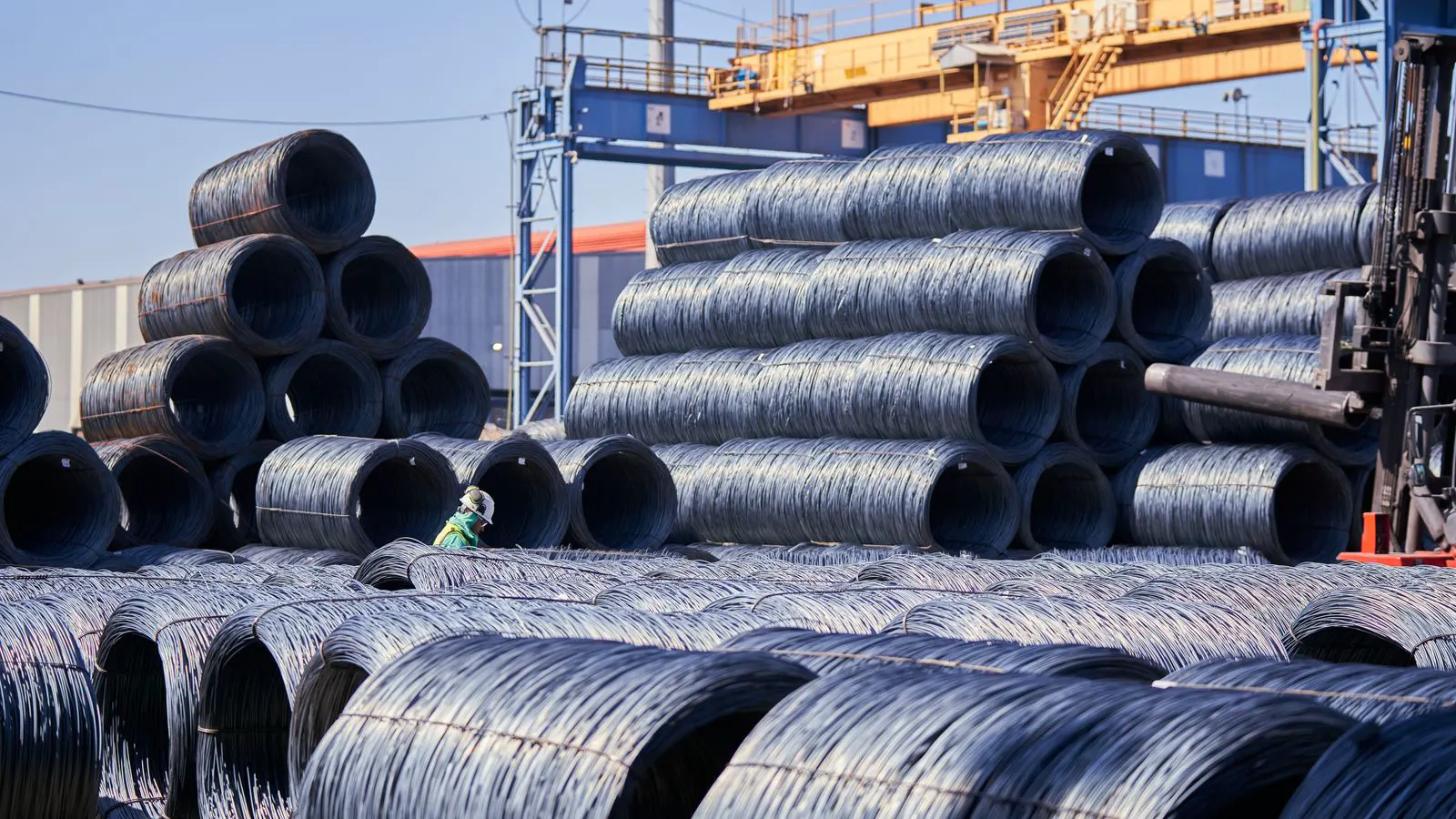
Buyers often stall at the same points: a mill spec sheet that does not match the purchase order, a supplier who cannot explain the test report, or a lead time that collapses under production pressure. Steel Products Guide places those decision points in one place. It covers the physical forms of steel, from carbon plate and coil to structural sections and bars, and explains the grades and standards behind them.

The site also focuses on the paperwork and checks that protect a purchase. Readers can compare testing methods, review certification requirements, and assess supplier capability before placing an order. The goal is practical. Every section answers a question a procurement team or engineer would ask when a project is at risk.

Frequently asked questions

What is the difference between a mill certificate and a third-party inspection report?

A mill certificate is issued by the producer and confirms the heat number and test results. A third-party inspection report is issued by an independent body and provides an external verification of the material condition.

Why do buyers need to understand steel grades before contacting suppliers?

Grades define mechanical properties and chemical composition. Knowing the required grade helps buyers avoid over-specifying, which increases cost, or under-specifying, which creates risk.

What documents should be requested before placing a steel order?

Request the mill test certificate, the supplier's quality control plan, and the delivery schedule. If the project requires it, also request a sample or a pre-shipment inspection.

How do lead times affect steel purchasing decisions?

Lead time determines when material arrives on site. Buyers must account for production delays, shipping routes, and inspection time. A longer lead time can protect the project schedule but increases working capital.

Is carbon steel plate suitable for all structural applications?

No. Carbon steel plate works for many applications, but some require higher strength or different alloying elements. The application determines the grade and thickness required.

How do buyers verify a supplier's quality process?

Review the supplier's audit reports, ask for samples of past test reports, and check if they have a documented quality management system. A reliable supplier will provide these details without hesitation.