Why Your Rebar Is Failing: Fixing Corrosion and Crack Issues
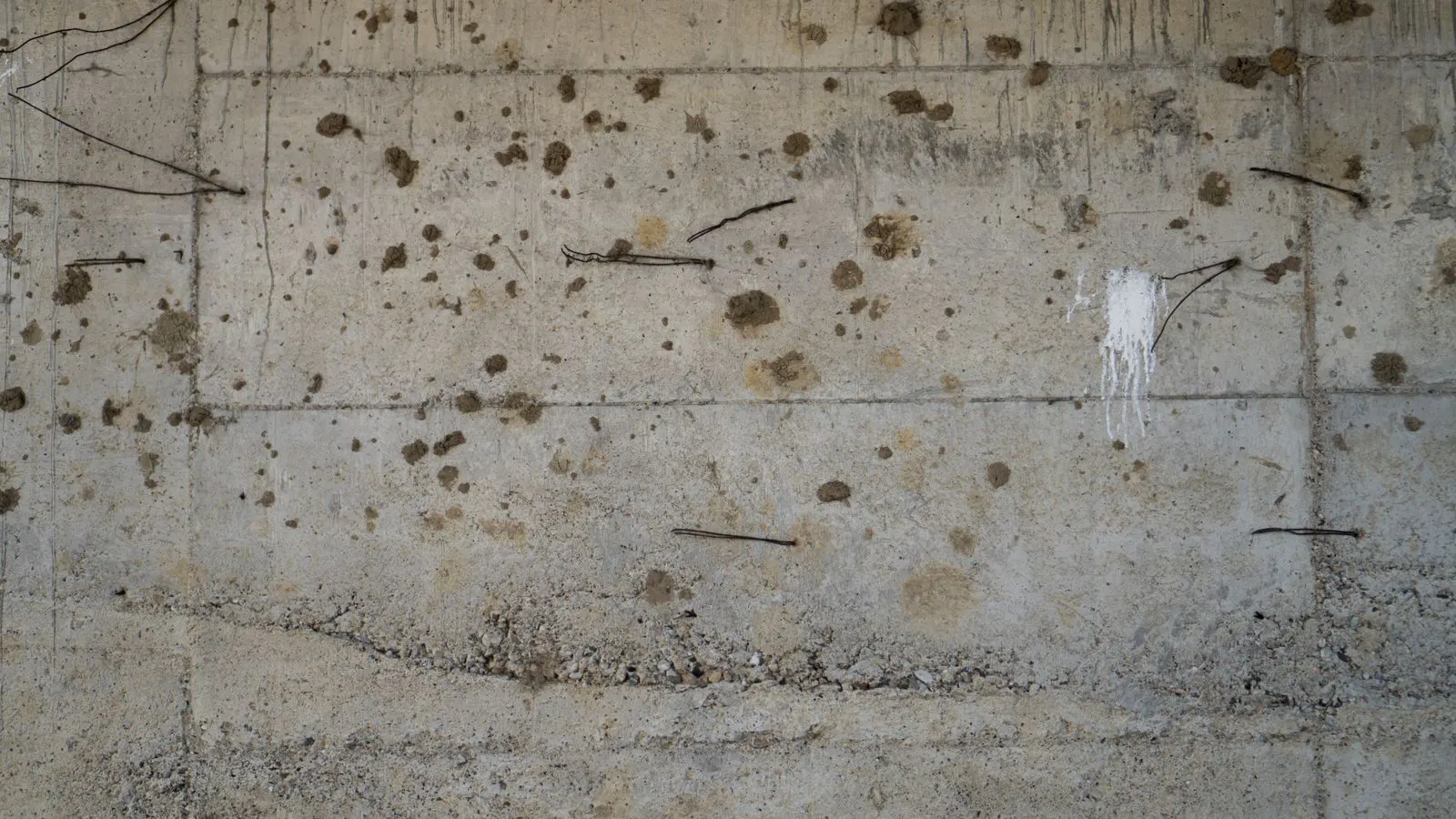
Rebar fails when protective concrete is damaged or moisture reaches the steel. This guide lists common field symptoms, likely causes, and practical fixes. It covers crack repair, coating selection, and site practices that prevent reinforcing bar failure before it costs more.
- Identify early signs like rust staining and concrete spalling before structural damage spreads.
- Use the correct repair sequence: clean, treat, protect, and restore the concrete cover.
- Select coatings and barriers that match the specific exposure environment on your project.
- Inspect reinforcing bar failure points after every freeze-thaw cycle or chemical exposure event.
What Is Actually Causing Rebar to Fail
Most reinforcing bar failures trace back to a single chain reaction. The concrete acts as a barrier. When that barrier breaks down, moisture and carbon dioxide reach the steel surface. The steel oxidizes. The rust expands as it forms. That expansion pushes against the surrounding concrete. The concrete cracks or pops off. The rebar looks like it failed, but the concrete environment failed first.
This process is common in parking garages, bridge decks, water tanks, and exposed slabs on grade. It is also common in structures that use deicing salts. The salt brings chloride ions to the surface. Chlorides attack the passive film on the steel. Once that film is gone, corrosion proceeds much faster than in a dry or sealed environment.
You might see small dark spots on a beam face. These are early corrosion stains. If you ignore them, the stains grow. The concrete around the stain loses adhesion. A small spall forms. Inside the spall, the bar is often significantly thinner than it was at installation. By the time the bar is visible to the naked eye, the structural capacity is already reduced.
How to Spot the Early Warning Signs
Field crews often miss the early stage because the symptoms are subtle. The concrete surface looks fine. There is no visible crack. But there are often rust streaks running down the face of a wall or deck. These streaks are water carrying dissolved iron oxide from the bar. The bar is corroding, but the cover is still intact.
Look for changes in the sound of the concrete. Tap the surface with a small hammer or screwdriver handle. Sound concrete has a dense, ringing tone. Concrete that has lost internal cohesion sounds dull or hollow. A hollow sound over a rebar location suggests delamination is starting.
Check the edges of formwork lines and construction joints. These areas have thinner cover. They are also where concrete is often weakest. If you see a hairline crack running parallel to a formwork line, inspect it. If the crack is open enough to let moisture in, the rebar inside is exposed to the elements.
Common Symptoms, Causes, and Fixes
The table below summarizes the most common field issues. It links what you see to what is happening underneath and what the immediate response should be.
| Symptom | Likely cause | What to do |
|---|---|---|
| Rust staining on surface | Early surface corrosion of embedded bar | Clean area, apply rust inhibitor, monitor for spalling |
| Concrete spalling | Corrosion expansion pushing out cover | Remove loose concrete, expose bar, clean and coat, patch |
| Open crack along joint | Shrinkage or thermal movement | Seal crack with flexible joint compound, check for rebar exposure |
| Exposed bar in deck | Impact damage or poor concrete cover | Grout bar with epoxy, install steel plate if needed, patch deck |
| Honeycombing near bar | Poor concrete consolidation | Grout voids, apply protective coating to exposed steel, evaluate strength |
| White powdering on surface | Efflorescence or chemical attack | Wash area, identify source, apply breathable waterproof sealant |
Repairing Cracked Concrete Around Rebar
Crack repair is not just about filling a gap. The goal is to stop moisture from reaching the steel and to restore the mechanical bond between the patch and the substrate.
Start by assessing the crack. Is it a structural crack or a cosmetic one? A crack that moves with load or temperature changes may indicate a deeper issue. A stationary hairline crack is usually manageable. If the crack is open, it must be cleaned. Use a wire brush or low-pressure water to remove loose material. Do not use high-pressure water on a large scale, as it can drive water into the concrete and accelerate corrosion elsewhere.
For small cracks, an epoxy or polyurethane injection is often the best choice. Epoxy provides a rigid, strong bond. Polyurethane is flexible and can bridge small movements. If the crack is wide enough to see light through, you may need to open it slightly with a chisel to ensure the injection material penetrates to the bottom of the crack.
For larger areas of spalling, the repair process is more involved. You must remove all unsound concrete until you reach sound material. The exposed rebar is then cleaned. Use a wire wheel or abrasive blast to remove loose rust. The bar should be clean and dry. Apply a rust converter or inhibitor. Then apply a barrier coating. Finally, patch the area with a cementitious mortar or polymer-modified mortar. The patch should be slightly proud of the surface so it sheds water.
Choosing the Right Protection for the Steel
Not all rebar needs the same protection. The selection depends on the environment. A bar inside a sealed foundation wall has different needs than a bar in a bridge deck exposed to deicing salts.
For high-chloride environments, consider coated rebar. Epoxy-coated rebar is common, but it is brittle. It can chip during handling or during concrete placement. If you use coated rebar, handle it with care. Avoid dragging it across other bars or formwork. Some projects use galvanized rebar, which offers good resistance but can be more expensive and has specific handling requirements.
If the concrete is already in place, you cannot change the rebar type. In this case, you must rely on the concrete cover and any applied coatings. Penetrating sealers can reduce moisture ingress. They are breathable, which is important because concrete needs to dry out. Non-breathable coatings can trap moisture inside, leading to freeze-thaw damage.
Preventing Reinforcing Bar Failure in the Field
Prevention is always cheaper than repair. The best time to stop rebar corrosion is before the concrete is poured.
Ensure proper concrete cover. The minimum cover is specified by local codes and the structural engineer. In most cases, a cover of at least 50 mm for exterior work is a good target. Do not let workers pull the rebar out of position to ease formwork removal. This is a common cause of thin cover and early failure.
Use the right water-cement ratio. High water-cement ratios create porous concrete. Porous concrete lets water and salts through. It also has lower strength. Follow the mix design strictly. Do not add extra water on the pump to improve workability. If the concrete is too stiff, use an admixture to improve flow without adding water.
Control the curing. Concrete needs water to hydrate. If the surface dries out too quickly, it shrinks and cracks. Use curing compounds or wet burlap to keep the surface moist for the required period. Proper curing creates a denser, less permeable concrete shell that protects the steel.
Inspecting and Maintaining Existing Structures
For existing structures, a scheduled inspection program is the best defense. Look for the symptoms listed earlier. Pay attention to changes after seasonal shifts. Freeze-thaw cycles can open small cracks that were closed in summer. Deicing salts can accelerate corrosion in winter.
Keep a record of repairs. If you patch a spall, mark it on a drawing or take a photo. This helps you track if the repair is holding or if the corrosion is returning. If a repair fails again, the original diagnosis may have been wrong. The corrosion may be coming from a different source, such as a leak above or a chemical spill.
What to Do If You Find Severe Damage
If you find a large spall with a heavily corroded bar, do not just patch it. The bar may have lost significant cross-section. The structural engineer must evaluate the load capacity. In some cases, the bar must be replaced. This involves cutting out the damaged section and splicing in a new, clean bar. The splice must be done according to the structural code. It often requires epoxy splices or mechanical couplings.
In extreme cases, the entire element may need to be strengthened. This could mean adding a steel plate to the face of the beam or increasing the depth of the concrete. These are major interventions. They require careful planning and engineering. Do not attempt this work without a qualified structural engineer.
Frequently asked questions
How do I know if rebar is corroding before the concrete breaks?
Look for rust stains on the concrete surface. These indicate that the steel is oxidizing. Tap the concrete to check for hollow sounds, which suggest internal delamination.
Can I paint over a cracked concrete deck to stop rebar corrosion?
Painting over a crack is usually a temporary fix. The crack will still let moisture in. You need to seal the crack first, then apply a protective coating to the entire deck surface.
What is the difference between surface rust and structural corrosion?
Surface rust is a thin layer of oxide on the steel. Structural corrosion involves the loss of steel cross-section. If the bar diameter is reduced, the structural capacity is compromised.
How often should I inspect rebar in a bridge deck?
Inspect after each winter season and after any significant impact or chemical exposure. A semi-annual visual inspection is a good standard for high-risk areas.
Is epoxy-coated rebar better than plain rebar?
Epoxy-coated rebar is better for high-chloride environments if handled correctly. However, it is brittle. If the coating chips, the underlying steel can corrode rapidly. Proper installation is critical.