Troubleshooting Surface Defects in Hot Rolled Steel Plate
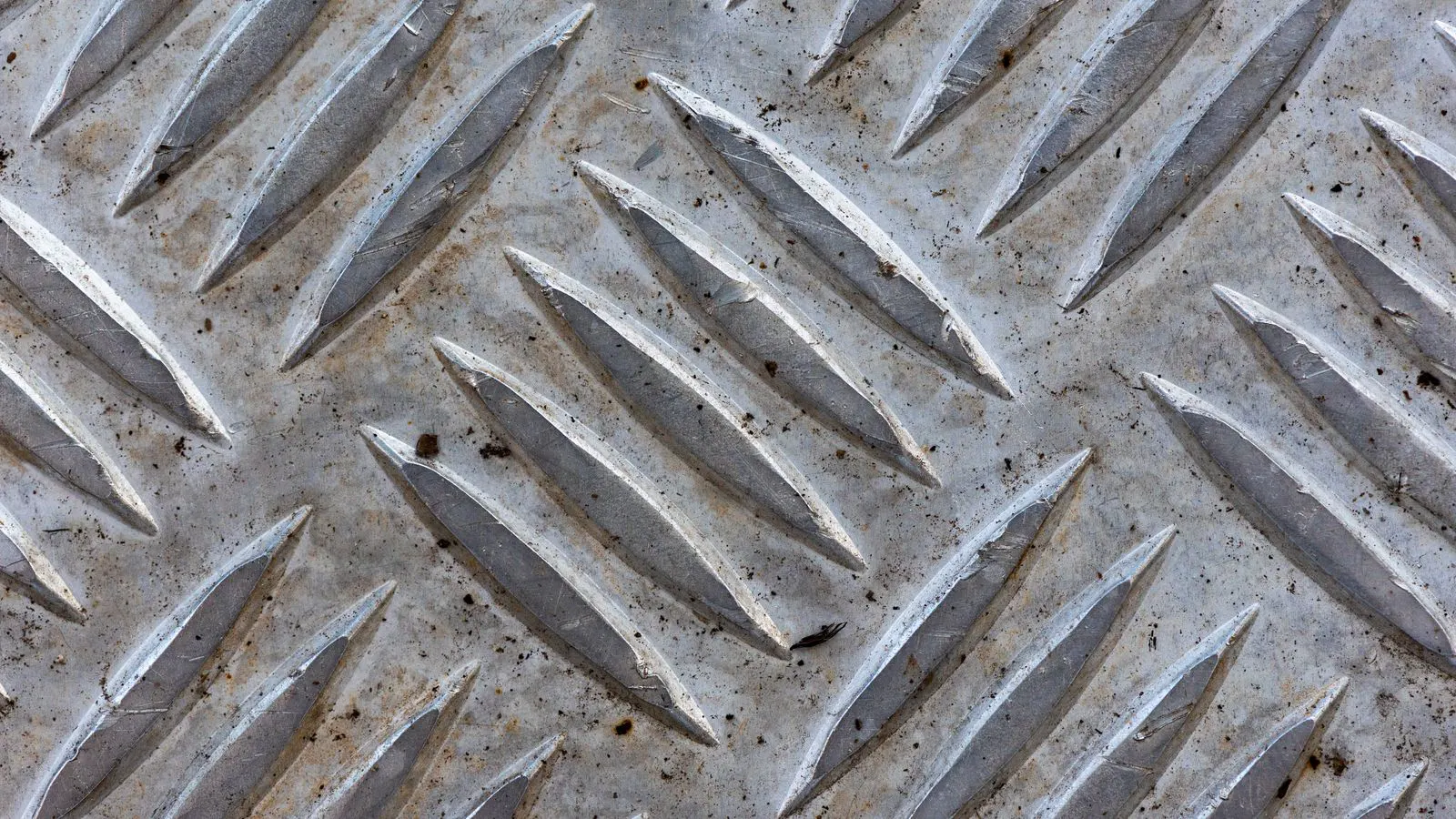
Surface defects in hot rolled steel plate usually stem from scale formation, mill handling, or improper cooling. This guide lists common imperfections, their likely causes, and specific steps to inspect, document, and correct issues before fabrication.
- Most plate surface defects are cosmetic unless they reach critical sections or affect coating adhesion.
- Scale, scratches, and laps are the most frequent issues found during incoming inspection.
- Document defects with photos, location maps, and dimensions before requesting corrections.
- Prevention relies on proper storage, transport protection, and clear mill specifications.
- Acceptance limits depend on the end use, so define tolerances before the plate leaves the mill.
Hot rolled steel plate arrives with a surface condition that varies based on mill practices, transport, and storage. Buyers and engineers often find scale, scratches, and minor imperfections on the delivery. These flaws rarely affect structural strength but can cause problems during cutting, welding, or painting.
This guide covers the most common surface defects seen on hot rolled plate. It explains what causes each issue and what to do when it appears on the shop floor.
What to Check First
Start with a visual sweep of the entire coil or plate stack. Look for scale, rust, scratches, and dents. Use a flashlight at a low angle to reveal shallow imperfections. Check the edges and corners, where handling damage is most likely.
Measure any visible defect. Record the length, width, and depth. Take photos from multiple angles. Note the exact location on the plate. Reference the mill certificate and the purchase order acceptance criteria.
If the defect is on a non-critical section, it may be acceptable for the intended use. If it is on a load-bearing area or a surface that will be coated, it needs correction or rejection.
Common Surface Defects and Their Causes
The table below lists frequent issues found on hot rolled steel plate. Each row describes the symptom, the likely origin, and the corrective action.
| Symptom | Likely cause | What to do |
|---|---|---|
| Scale buildup | Incomplete scale removal during rolling | Wire brush, blast, or sandblast the affected area. Request mill scale reduction if severe. |
| Deep scratches | Sharp edges, debris, or rough transport | Check for embedded metal chips. File or grind smooth. If deep, reject the section. |
| Laps and rolls | Milling inconsistency or coil handling | Cut out if small. Grind if shallow. Reject if on a structural edge. |
| Rust and oxidation | Exposure to moisture during storage | Remove with abrasive media. Apply primer immediately. Improve storage conditions. |
| Dents and crush | Fork damage or stacking pressure | Assess depth. Weld repair if small. Reject if structural integrity is compromised. |
| Decals and heat tint | Contact with other hot surfaces or uneven cooling | Grind smooth. Accept if cosmetic. Reject if on a coating surface. |
Scale is the most common surface condition. It forms when the plate cools from rolling temperatures. The mill tries to remove as much as possible, but some always remains. Scale can trap moisture and start rust if not cleaned before use.
Scratches are usually mechanical. They happen when the plate rubs against other metal during handling or transport. Deep scratches can concentrate stress, especially if they run parallel to the load path.
Laps and rolls are rolling defects. They occur when the plate does not move uniformly through the mill rolls. Small laps are often acceptable if ground smooth. Large ones need removal.
Rust appears when steel is exposed to water without protection. It progresses quickly in humid or coastal environments. Rust on a coating surface will eventually blister the paint.
Dents and crush damage are handling issues. They happen when forks slip, when plates are stacked too high, or when the coil is unrolled on a rough surface.
Decals and heat tint happen when hot plate touches other surfaces or when cooling is uneven. They are usually cosmetic but can affect paint adhesion if not removed.
How to Inspect Plate Before Use
Inspection should happen at the point of receipt and again before fabrication. Use a simple checklist for each delivery.
- Verify the mill certificate matches the purchase order.
- Check the plate thickness against the specified tolerance.
- Look for scale, rust, and surface marks.
- Measure any defects that exceed the acceptance limit.
- Photograph defects with a reference object for scale.
- Mark the location on the plate or the packing list.
- Record the total area affected, if multiple defects are present.
Use a calibrated gauge or depth micrometer for deep scratches and dents. For scale, a standard wire brush and a visual check are usually enough. For rust, a magnetic particle inspection can reveal hidden cracks in severe cases, but that is rare on standard hot rolled plate.
If the plate is for a coated structure, inspect the surface under raking light. Shallow imperfections that look flat under normal light may show as bumps under low-angle light. These will telegraph through the paint.
Fixing Minor Defects
Not every defect needs removal. Some can be cleaned or ground out without affecting the plate.
Scale removal is straightforward. Use a wire brush, a flap disc, or an abrasive blast. The goal is to remove loose scale and leave a uniform surface. If the scale is baked on, a more aggressive blast is needed. Do not grind into the plate surface, as that changes the thickness and can create stress risers.
Scratches that are shallow and short can be filed or ground smooth. Keep the tool moving to avoid a deep groove. If the scratch is deep or long, assess whether it affects the design. A scratch on a non-structural area is usually fine. A scratch on a weld zone or a load-bearing edge needs more attention.
Rust should be removed before any other work. Use an abrasive method to get back to bright metal. Apply a primer within a few hours of cleaning. If the rust is extensive, consider rejecting the plate or requesting a credit.
Dents can sometimes be hammered out if they are on the back side of the plate. Do not hammer the front side, as that will create a visible mark. If the dent is deep, a weld repair may be needed.
Prevention Tips
Prevention is cheaper than correction. It starts with the mill specification and continues through storage and handling.
When specifying plate, define surface quality requirements in the purchase order. State the maximum acceptable scale thickness, the scratch length limit, and the dent depth tolerance. Reference the applicable standard if one applies to your project.
Require the mill to scale the plate to a specific level. Ask for wire brushing or shot blasting if the surface will be coated. Request edge preparation if the plate will be cut or welded.
Protect the plate during transport. Use dunnage to prevent rubbing. Wrap the coil or stack in plastic or paper if moisture is a concern. Secure the load so that plates cannot shift.
Store plate in a dry, well-ventilated area. Elevate the stack off the ground. Use timber or steel dunnage between layers. Keep the area free of standing water. Cover the stack if it will be stored outdoors for more than a few days.
Handle plate with proper equipment. Use spreader bars for fork lifts. Do not drop or drag the plate. Keep the work area clean of sharp objects, wire, and metal chips.
When to Reject or Request Correction
Not every defect is acceptable. If a defect exceeds the acceptance limit in your purchase order, reject that section or the whole plate.
Contact the supplier with photos and measurements. Reference the specific defect and the clause in the contract that covers it. Ask for a replacement, a credit, or on-site correction.
If the defect affects a critical area, do not use the plate. Cut it out and keep the offcut for testing or documentation. If the defect is widespread, reject the entire delivery and request a full inspection by the supplier.
For small projects, a single defective plate may be acceptable if the defect is on a non-critical section. For large structures, a pattern of defects suggests a process problem at the mill. Request a corrective action report and a stricter inspection for the next delivery.
Documentation and Traceability
Good documentation protects both the buyer and the supplier. It clarifies what was accepted and what was corrected.
Keep the mill certificate with the purchase order. Attach the inspection report to the delivery note. Include photos with a date, time, and location stamp. Record the name of the inspector and the method used.
If a defect was corrected on site, record the method. Note who performed the work and the equipment used. Keep the offcut if it was cut out.
This documentation is useful for warranty claims, audits, and future procurement. It also helps identify patterns over time. If the same mill or the same transport route keeps producing the same defect, you can address the root cause.
Frequently asked questions
Can all surface defects be removed by grinding?
No. Grinding works for shallow scratches and minor scale. Deep dents, large laps, or extensive rust may require cutting, welding, or rejection. Always assess the depth and location before grinding.
How much scale is acceptable on hot rolled plate?
Acceptable scale depends on the end use. For uncoated structures, light scale is often fine. For coated surfaces, the spec should require a specific scale level or a cleaning method.
Does rust on a plate affect its structural strength?
Light surface rust does not significantly reduce strength. Heavy corrosion or pitting can. If the rust is deep or pitted, have the plate inspected by a qualified engineer.
How should I document a defect on a coil?
Use the coil number, the layer or position, and a photo with a scale reference. Measure the defect and mark the location on a sketch or the packing list. Keep the documentation with the mill certificate.
Can I use a plate with a small dent on a non-structural area?
Yes, if the dent is shallow and outside the load path. Check your acceptance criteria. If in doubt, ask the supplier for a written assessment before using the plate.